Nutritional biochemist · Olympian · Corporate executive · Entrepreneur
Nutritional Biochemist
PhD & MPhil, Rutgers
MS, Microbiology, Rutgers
MBA, Fordham
Egyptian National Judo Champion
Olympic team member
Innovator
20+ patents and scientific publications, including a peer-reviewed article in Science
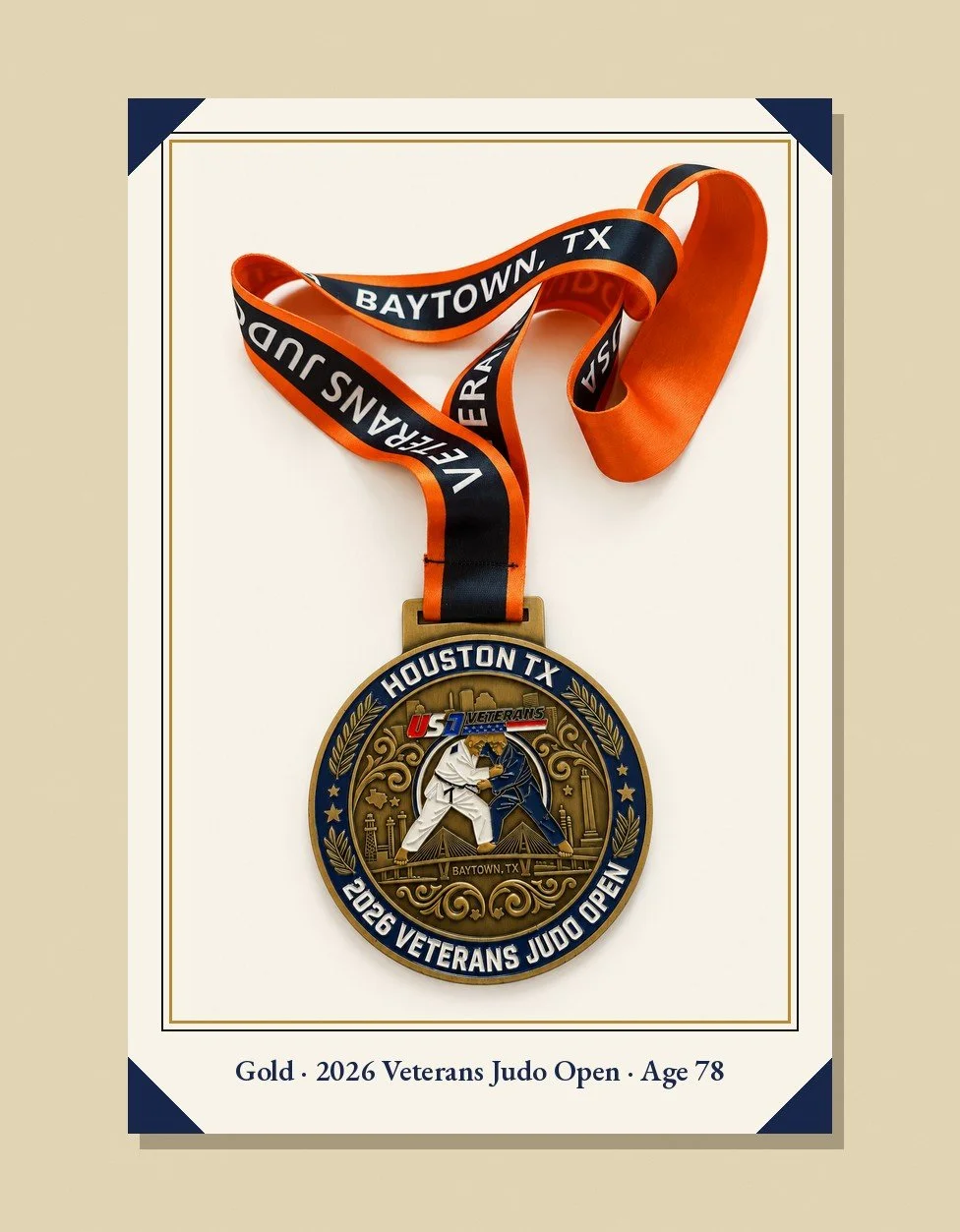
Veterans Judo Open gold medalist at 78
Still competing at 79
I'm seventy-nine, and nowhere near the finish line.
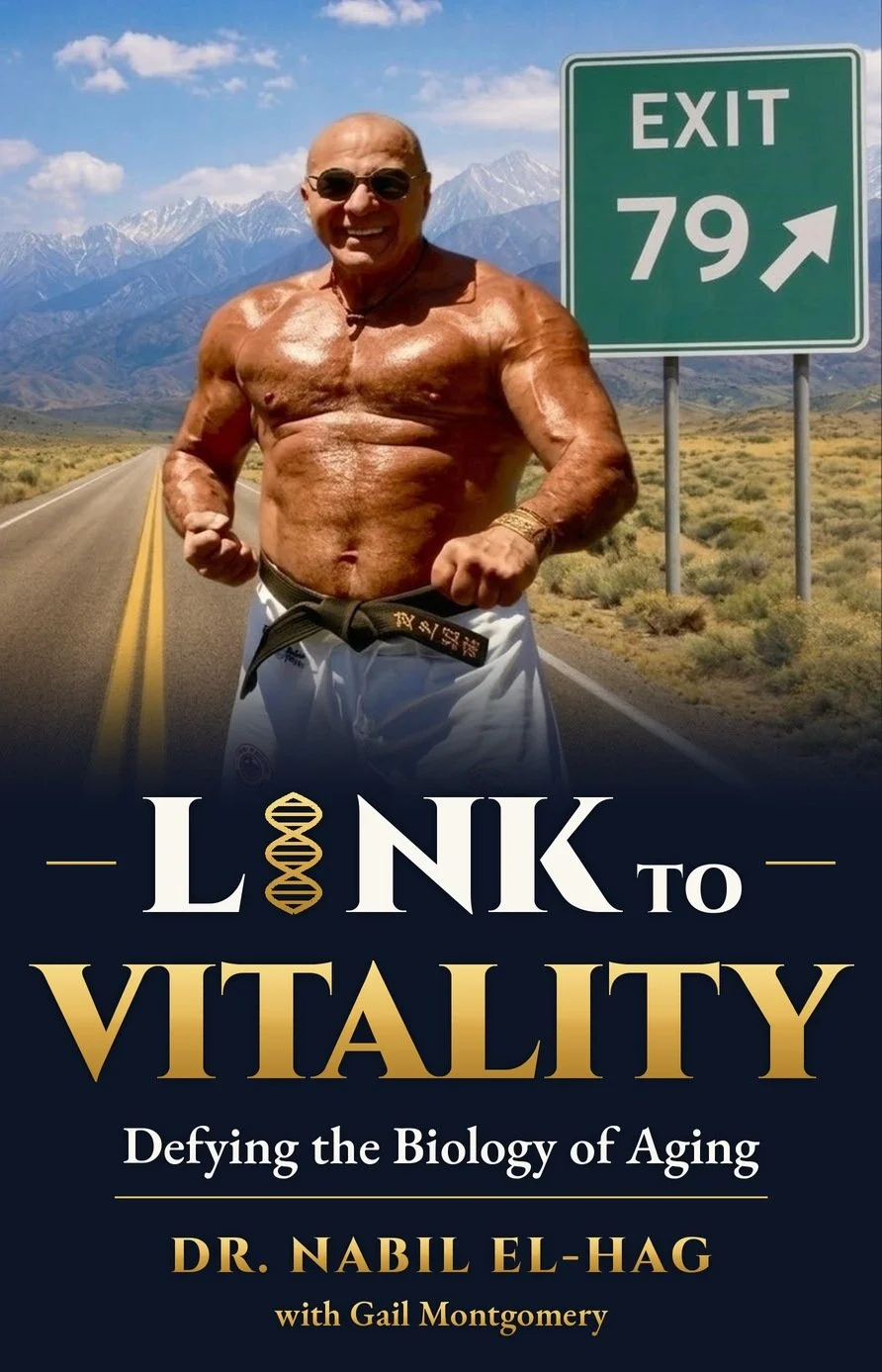
In Link to Vitality: Defying the Biology of Aging, I share how I went from being an Olympian in my teens to a Veterans Judo Open gold medalist at 78. After a health crisis at 42, I spent nearly four decades researching and experimenting on my own health. This book is about my journey. It reveals the findings that have kept me strong, vital and gunning for a world championship at 80.
A Turning Point at 42
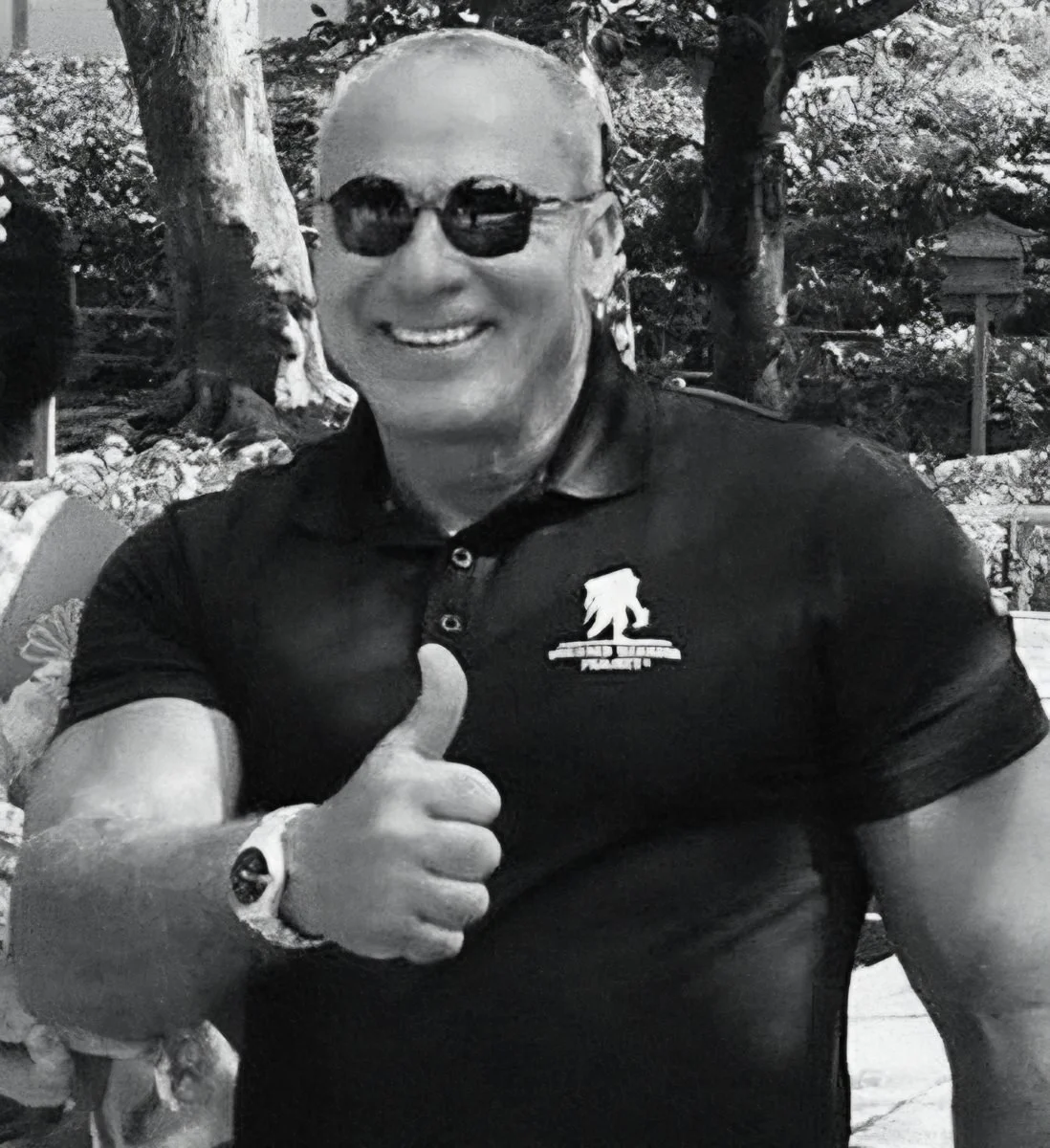
In my teens, I was Egypt's national judo champion and Olympic team member. At forty-two, Lyme disease was dismantling me from the inside, and standard treatment was failing. As an elite athlete, I had always taken my health for granted. My illness was a wake-up call. I realized I didn't have a "user manual" to fix my health. So I applied my training in microbiology and nutritional biochemistry to the one case I knew best: my own.
Lyme disease wasn’t my only motivation. I had lost three of my siblings to premature death, and I didn’t want to be the fourth.
Thirty-seven years later, I'm bigger, stronger and healthier than I was in my forties. Everyone asks me, "What's your secret?" It's not one thing. It's a lifestyle built on the Four Pillars and one conviction: cellular health is the key to lasting vitality. Link to Vitality explains the daily practices that slow my aging and keep me healthy, strong and engaged in life at seventy-nine, and why I chose them. Even now, I am constantly updating my "user manual" as I discover new tools to address the challenges of aging. My practices aren't prescriptions. They're evidence from a study of one, offered to help you decide what belongs in your own anti-aging toolbox, so you can write your own "user manual."
Nabil El-Hag, PhD, MPhil, MS, MBA
THE SCIENCE
The Disability Curve is inevitable, but its shape is negotiable.
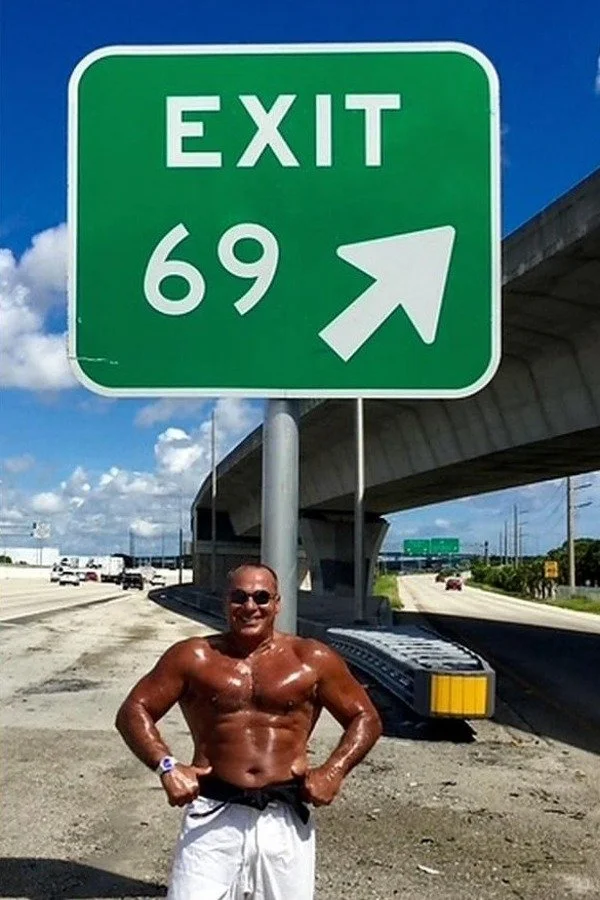
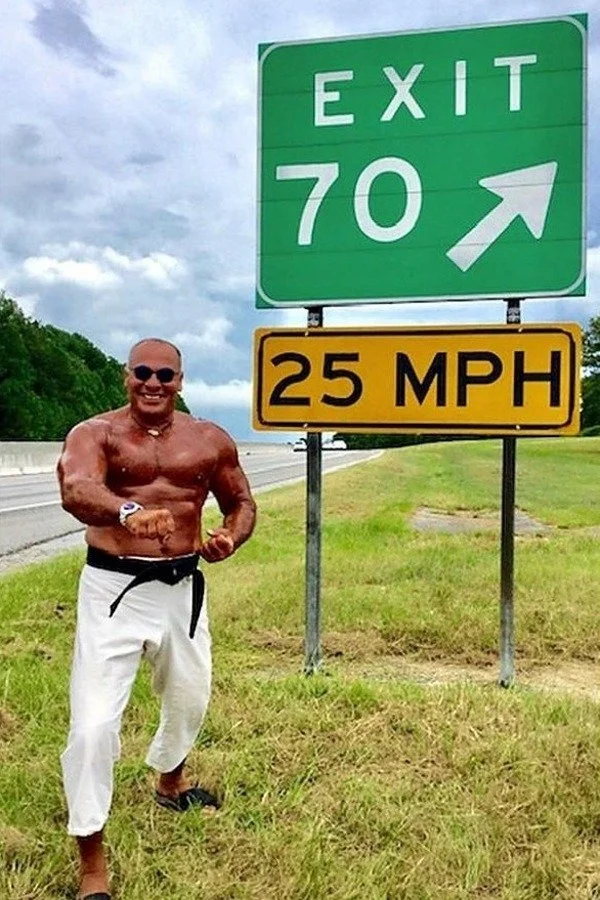
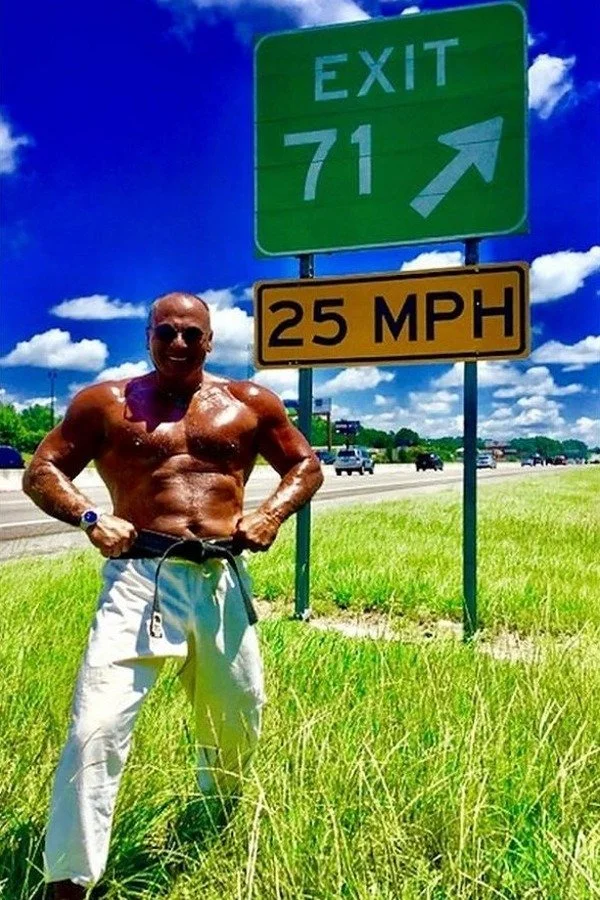
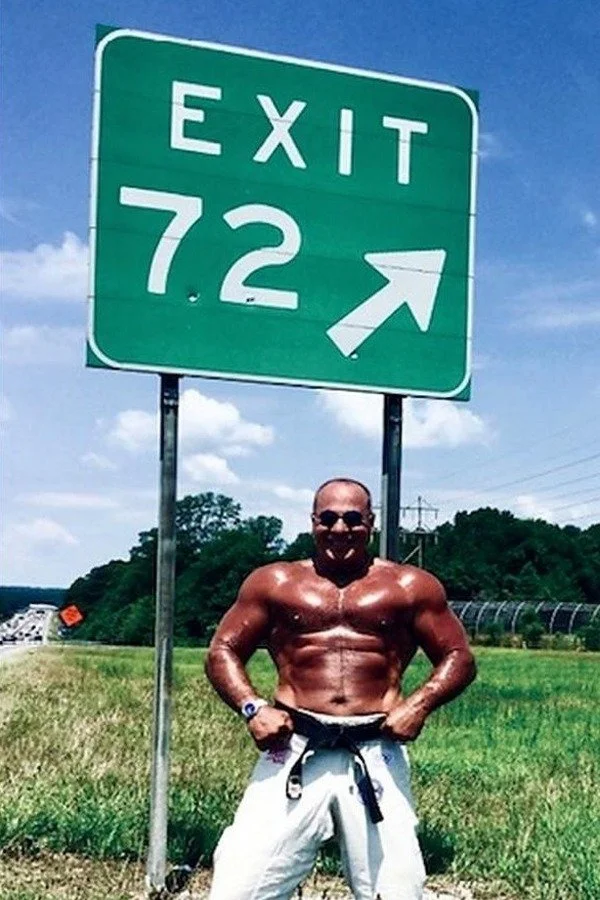
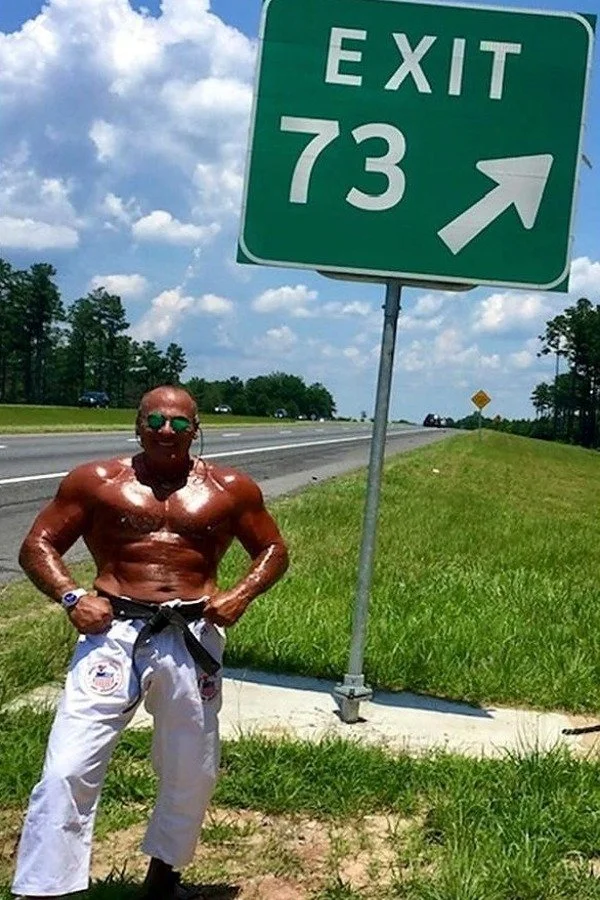
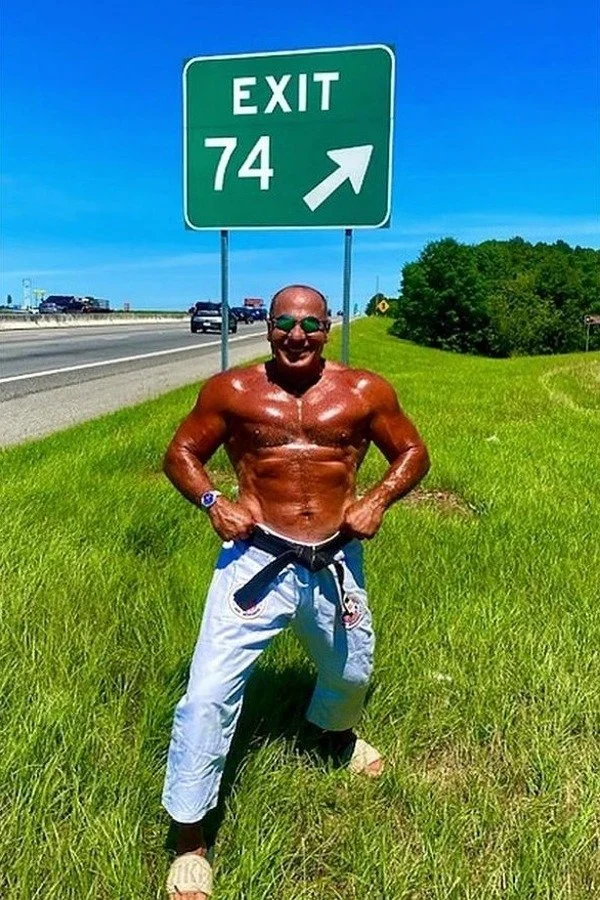
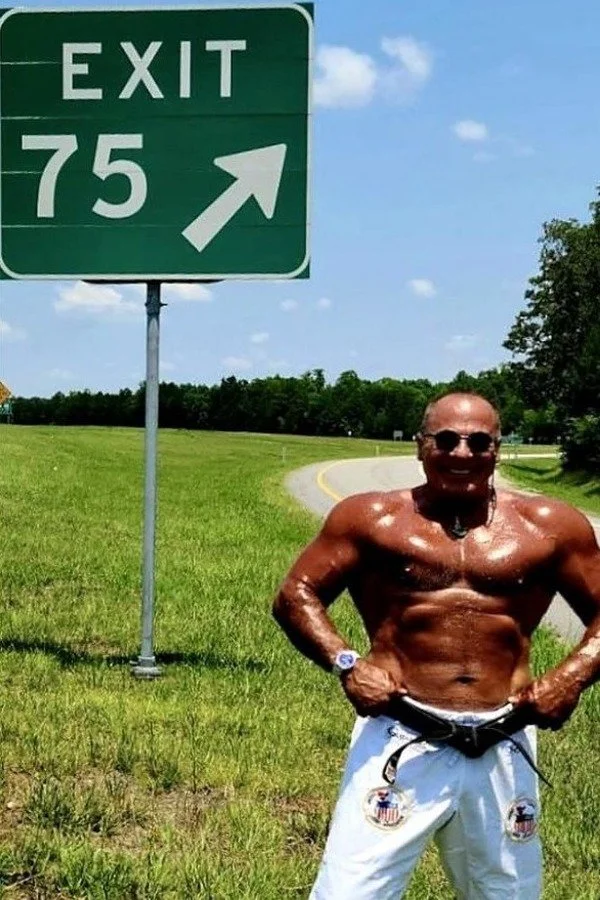
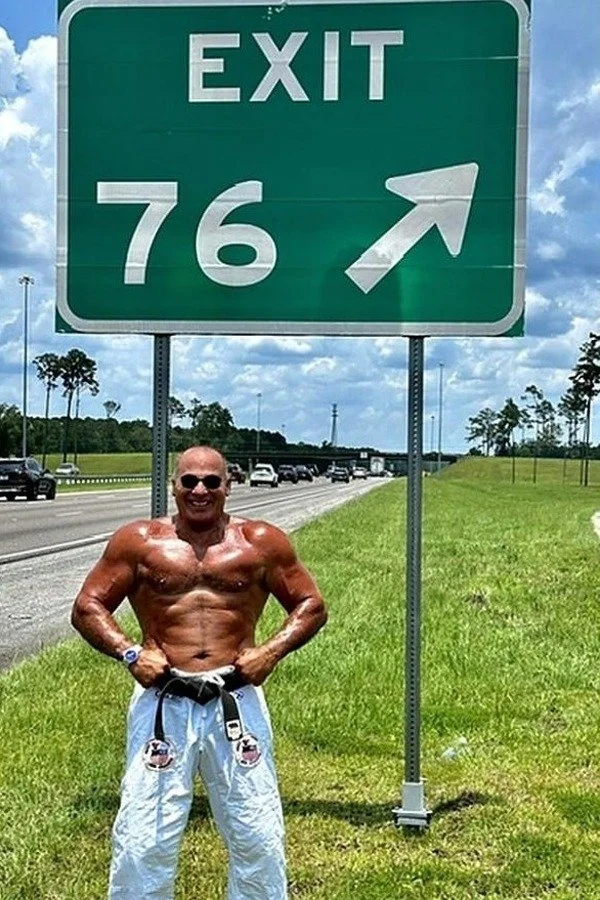
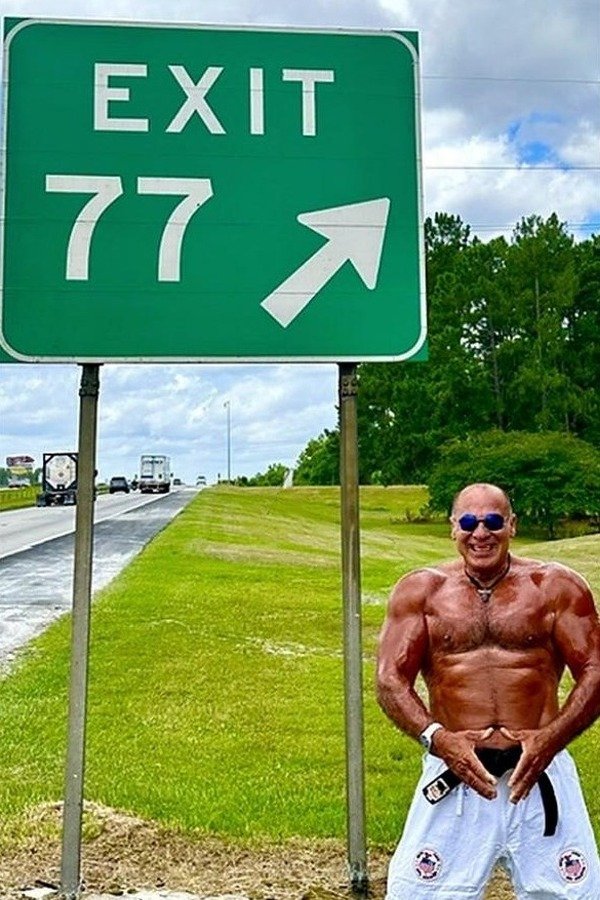
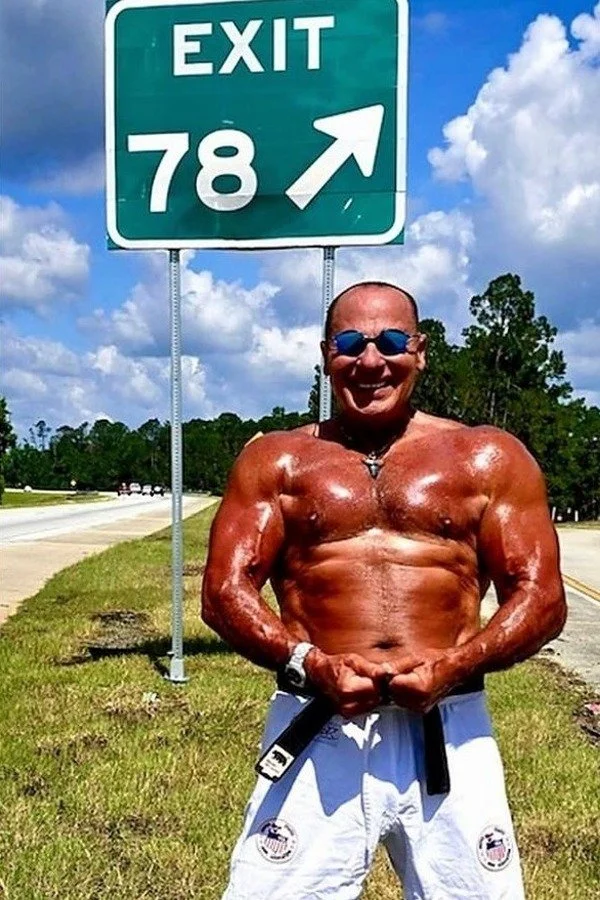
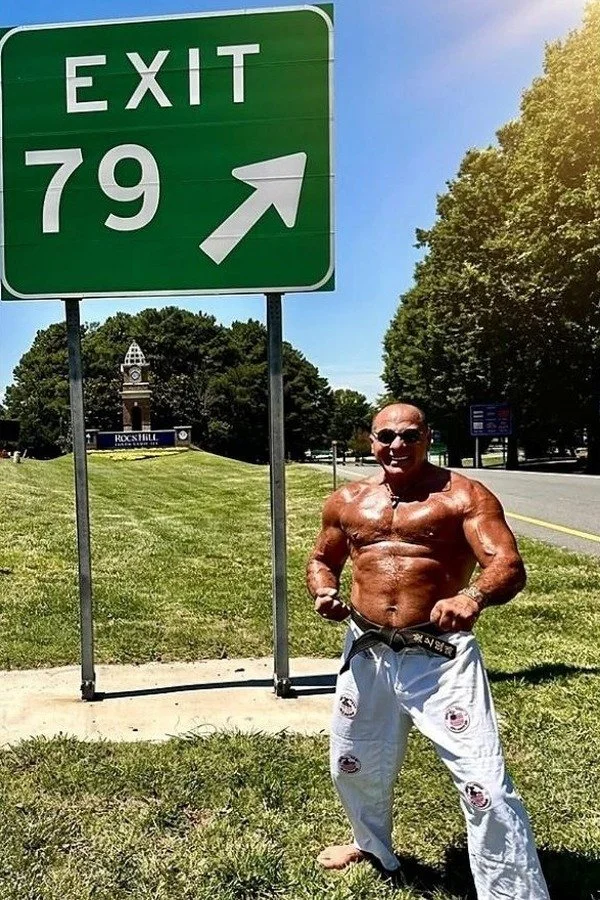
The first chart shows how the general population ages. The second shows how lifestyle choices can alter the aging trajectory. In the following thirteen exit pictures, you’ll see that I’ve successfully altered my biological destiny. Further down, By the Numbers shows my fitness results, and I’ll add my epigenetic test results when they’re in. The goal is to show what’s possible. Hopefully I can inspire you to do the same.
Every body follows the same arc. We grow bigger, stronger, and more capable until our late twenties, hold steady for a decade, and then, around forty, begin declining with age. Nature's design isn't optional. The slope is.
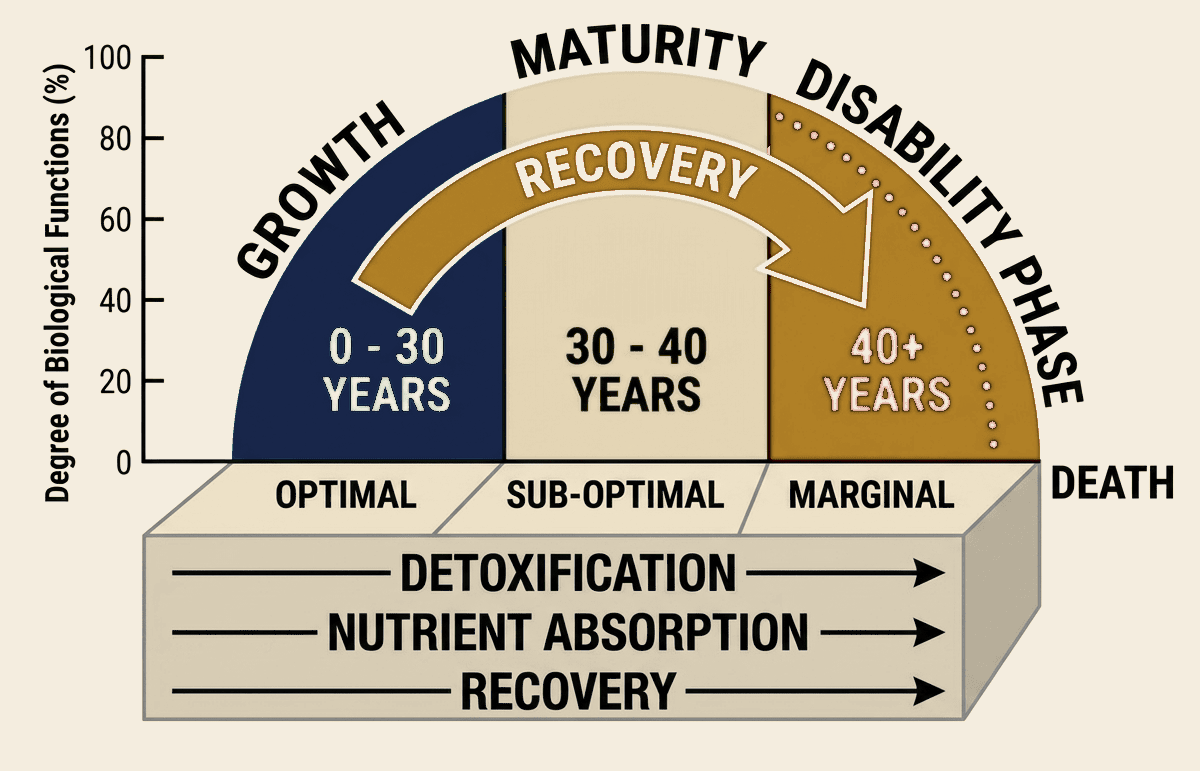
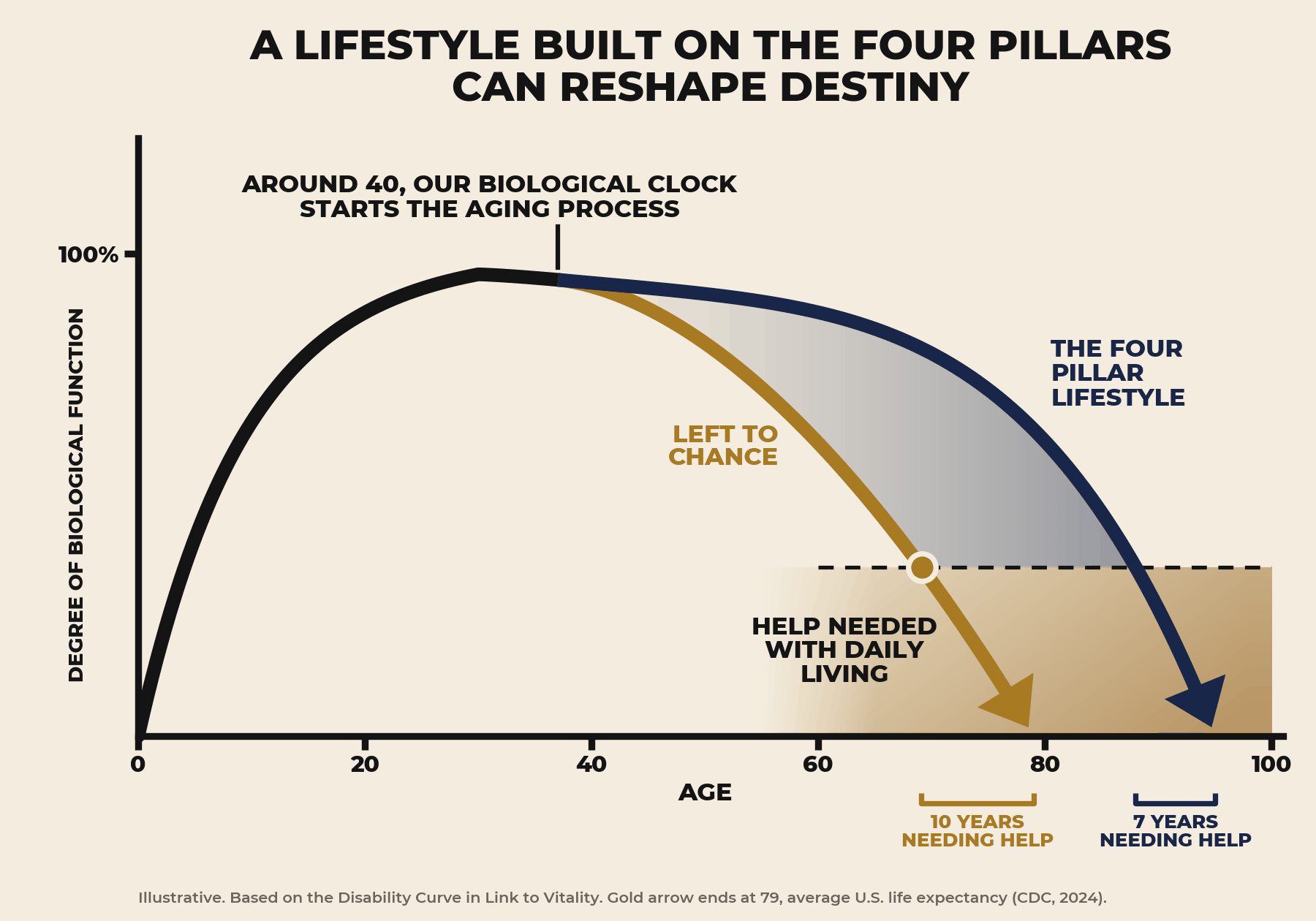
Left to chance, age-related disability accelerates. The average person spends the last decade or so of life needing help. A lifestyle built on the Four Pillars doesn't stop the clock; it pushes the decline further down the road. We can live a vital, independent life much longer by making healthier choices. Researchers call this compressed morbidity: living well for longer, then declining quickly at the very end. That's the aim of the protocols detailed in this book, and my own experience shows that we can surpass biological expectations.
The book demonstrates how a lifestyle built on the Four Pillars can alter the disability curve:
State of Mind · Nutrition · Exercise · Cellular Housekeeping
MY EXITS
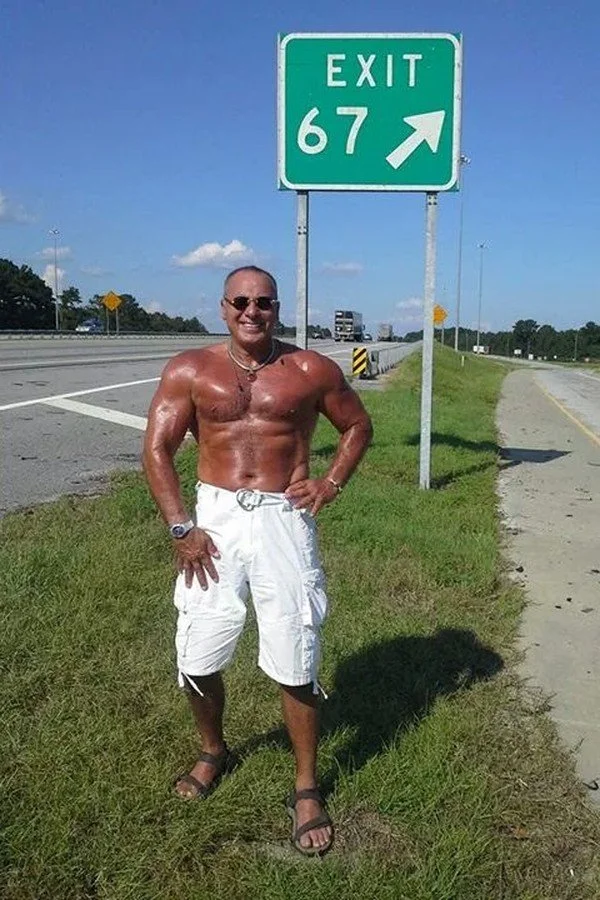
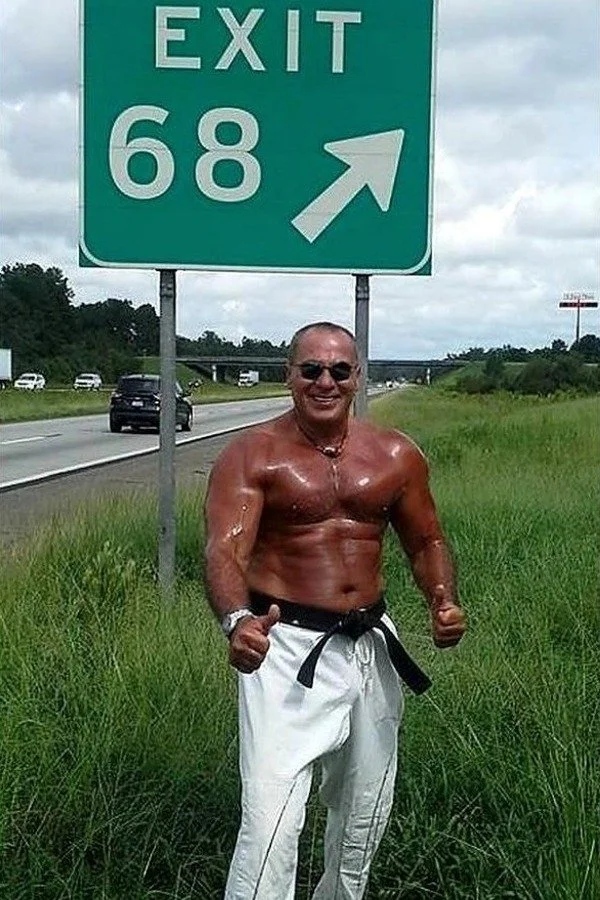
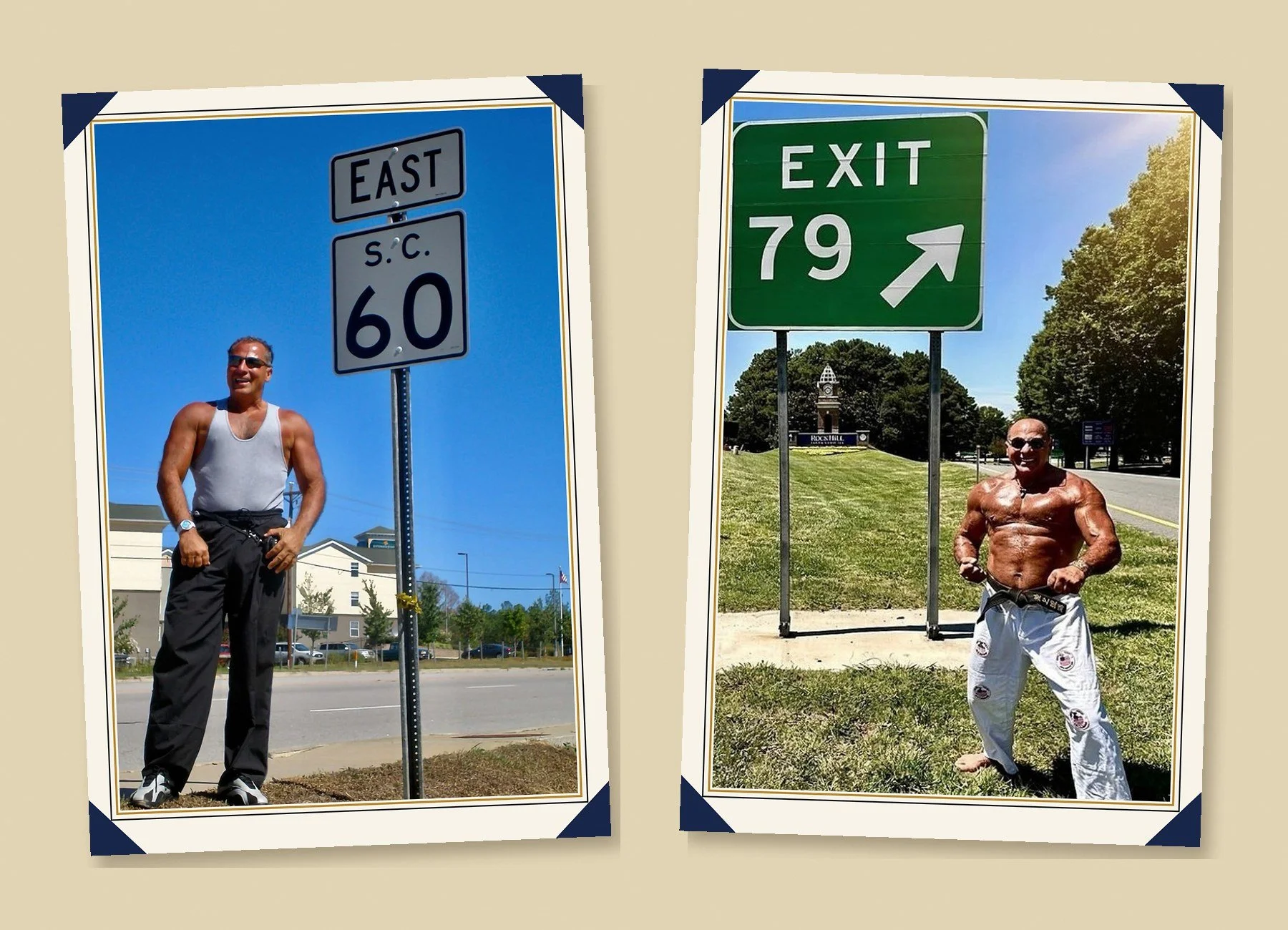
Thirteen birthdays.
Same pose.
Different sign.
Each year, the same photograph at the interstate exit that matches my age. No steroids, no shortcuts — just healthy choices, consistency and cutting-edge science. Each photo, a reminder that age is just a number.
Eighty is on the schedule.
Coming in September 2027!
PRESS PLAY: AGE 67 TO 79 IN 30 SECONDS
SCROLL THROUGH ALL THIRTEEN →
STILL IN THE GAME OF LIFE
When Lyme disease turned my attention to my health at forty-two, my goal was simply to get well. Once I recovered, managing my health became a priority and a daily practice. As the years went by, healthy aging became my focus. I began looking for the drivers of age-related decline in performance and appearance. Eventually, that search took me down to the cellular level, to the metabolic changes taking place inside our cells.
Decades of research, experimentation and training later, I’m bigger and stronger than I ever imagined possible. My vitality is built on the Four Pillars of Health: State of Mind, Nutrition, Exercise and Cellular Housekeeping. At seventy-eight, I wanted to see whether all that work would hold up under pressure, so I set a goal to compete again. Winning gold at the 2026 Veterans Judo Open in Houston answered the question.
For me, the journey matters more than the destination.
I keep training, setting new goals and pursuing them. I’m just happy to be in the game.
BY THE NUMBERS
Seventy-nine on the calendar. Decades younger in my performance.
Chapter 12 of Link to Vitality lays out my full Four Pillar regimen in detail. It has taken me a lifetime to train my physique for strength and speed. I don’t expect you to match my performance or copy my training, but I do want you to see that it’s possible to outperform biological expectations at any age. Just compare my photo at sixty with the one taken at seventy-nine. It can be done!
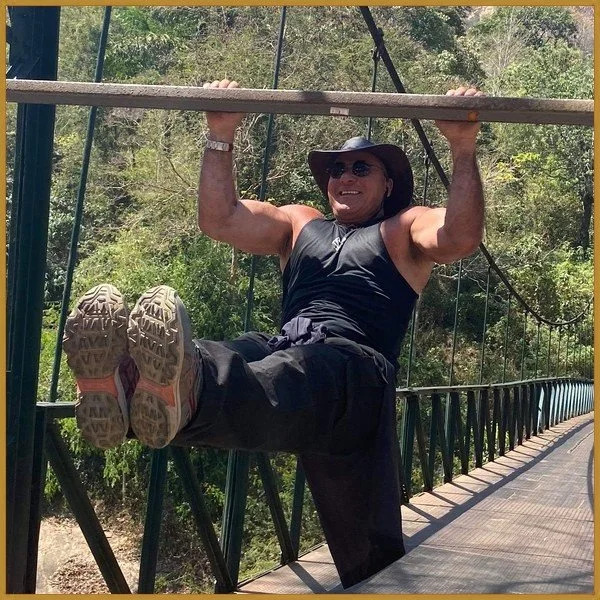
Working out on the go in Cochin, India, 2020
These are my numbers when someone challenges me. My everyday training is lighter, and the book reveals exactly what it looks like. My real goal is to stay vital for as long as possible. Strength and endurance are the means to that end.
How My Numbers Compare
The Mayo Clinic’s target for a sixty-five-year-old man is ten push-ups. At 79, I do 60!
A typical maximum grip for men in their late seventies is about 35 kg, and the top 10% reach 48 kg. In a one-minute hang, each of my hands holds about 48 kg the whole time.
My 100-meter time is within a second of the world record for men over eighty, 14.21 seconds — a number I hope to get close to as I train this year.
My physical and muscular fitness is comparable to a well-trained adult decades younger. At 79, I have outperformed my own expectations for living longer and living well.
No steroids, no performance-enhancing drugs, no shortcuts.
HOW I TRAIN
Here’s a glimpse of how I perform in the gym, and how those numbers compare with most men my age.*
60 consecutive push-ups
60 consecutive full sit-ups, in 2–3 minutes
20 consecutive pull-ups in good form, at 214 lb
30 consecutive hanging leg raises
225 lb × 6–8 bench press
100 lb × 10 overhead press
1 minute dead hang at 214 lb, each hand holding about 107 lb (48.5 kg)
~15 sec 100-meter sprint (hand-timed)
*Self-reported results, July 2026. My results; they show what is possible, not what you should expect.
Selected News & Articles
Tecport Vision · Sept. 17, 2026
As co-founder, chairman and managing director of Tecport Vision, Nabil helped guide a decade-long effort that led to Avulux’s FDA De Novo authorization, creating the first lens classification for migraine-associated light sensitivity. Tecport calls him “the visionary architect and driving force” behind the venture.
The Bluffton Sun · Sept. 15, 2026 · by Nabil El-Hag
Oxygen fuels every cell, yet it also throws off free radicals that drive aging. Nabil explains how antioxidants stand guard and why our defenses weaken with age. He reveals the “Magnificent Five,” a group of antioxidants he has relied on for forty years.
The Bluffton Sun · Aug. 4, 2026 · by Nabil El-Hag
In his column, Nabil explains why oxygen is the partner our mitochondria depend on, and how a concentrated-oxygen protocol became the turning point in his recovery from Lyme disease more than 35 years ago.
The Bluffton Sun · July 7, 2026 · by Nabil El-Hag
How the mitochondria and the gut microbiome work together to power everything the body does, and why that energy system needs more support as we age.
WHAT EARLY READERS ARE SAYING
“As a healthcare professional, I particularly appreciated how he connected ideas in ways I had not previously considered.”
— Elizabeth Gerhart-Sugg, DDS, Ocean Dental, Hilton Head Island, SC
“Rather than offering generic advice, Dr. Nabil El-Hag grounds his insights in clear research and practical experience.”
— Enrique A. Pacheco Jr., Smithsonian Institution, Washington, D.C.
What makes this book unique
I practice what I preach.
Researched, tested, lived. After sixty, when health usually declines, I’ve continued to improve. At 79, I’m not done yet.
It starts at the cellular level, not with a workout.
Mitochondria, cellular housekeeping and epigenetics come first; attitude, diet and exercise are the means to the end.
SIGNED COPIES
Reserve a signed copy
If you’d like a copy signed by me, add your email to the reservation list. You’ll be first in line when signed copies are ready to order.
THE BOOK
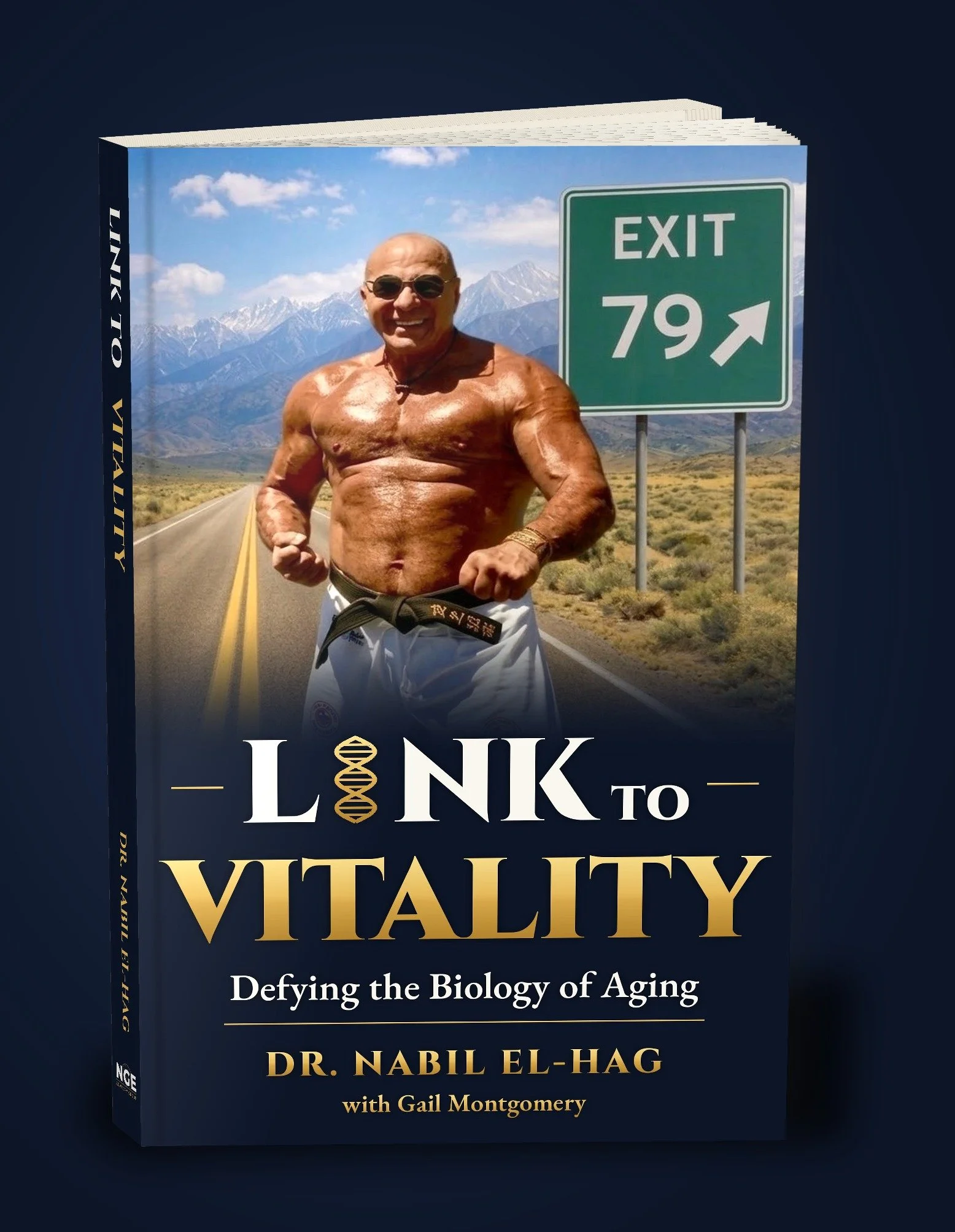
Link to Vitality: Defying the Biology of Aging
Not a fitness book. Not a how-to book. Not a diet or workout plan. No magic potions. A biochemist’s field notes on aging, starting at the cellular level: a self-experiment conducted over nearly four decades. Not theory. Actual results.
Part memoir, part science, part invitation to explore and learn about your body. The book is the answer to the question I’m always asked: “What’s your secret?” In fourteen chapters, I explain what I do and why. I provide the reasoning behind my choices, so you can make healthier ones for yourself. My hope is that you will be inspired to develop the tools that will help you regain and maintain your own vitality.
Part One: How our bodies age, and why cellular health is the key to vitality
Part Two, The Four Pillars: A targeted, science-backed framework for defying biological aging
Part Three: My personal protocol and how you can develop your own
Appendices: The Four Pillars Self-Assessment, plus guides to epigenetic and other testing, and reading resources
-
Preface
Introduction: Living Well, Not Just Living LongPart One
1. The Story of Us
2. Mitochondria
3. The Cell Brain
4. The Journey of Aging
5. The Biological Slope of Aging
6. The Critical DecadesPart Two, The Four Pillars
7. Decoding My User Manual
8. Pillar I: State of Mind
9. Pillar II: Nutrition
10. Pillar III: Exercise
11. Pillar IV: Cellular HousekeepingPart Three
12. My Personal Protocol
13. Finding Your User Manual
14. Closing ReflectionsAppendices
A. The Four Pillars Self-Assessment
B. Epigenetic Age Testing
C. Additional Testing Resources
D. Suggested Reading & Key References
No steroids, no performance-enhancing drugs, no shortcuts.
Protocols grounded in nature, common sense and cutting-edge science, readily available to everyone.
Your “user manual,” not mine.
The book shows you how to build your own lifestyle program, not copy mine.
A FREE SAMPLE FROM CHAPTER 12
The Neck: The Forgotten Link to Vitality
I trained my neck for years because wrestlers do. Now, my training is dictated by four reasons that have nothing to do with wrestling or judo. Each of them grows more important with every birthday.
The load is bigger than the head. The head weighs 10 to 12 pounds when it sits over the shoulders. Tip it forward, as we all do when reading books, working at a desk, or looking at a screen, and the neck no longer holds a head; it holds a lever. By one biomechanical estimate, at a forward tilt of fifteen degrees, the effective load on the cervical spine climbs to about 27 pounds. At sixty degrees, it climbs to roughly 60 pounds. The muscles at the back of the neck and upper back pay that bill all day, every day. Weak neck muscles surrender to stress, and the head creeps forward permanently. Strong, they hold the line.
Tip your head forward 60°, and your neck carries roughly 60 pounds.
The neck is a balance organ. Most people don’t know that the small muscles of the neck are dense with position sensors that tell the brain where the head is relative to the body. The brain combines that signal with those from the inner ear and the eyes to keep us upright. That sense degrades with age. Older adults make measurably larger errors when asked to return their head to a remembered position. The larger the error, the worse they score on the standard tests of balance and functional mobility. In people over sixty-five, neck muscle strength tracks closely with how far they can lean without losing their footing. In a year-long study of older adults, those who fell had stiffer necks and poorer head position sense than the ones who didn’t. Taking a fall is the fast track onto the disability curve I described in the Introduction. Keeping my neck strong is one lever that helps me avoid it.
Two more reasons follow in the chapter section, along with how to train your neck safely, whatever your starting point.
WHERE DO YOU START?
Before you change anything, assess your current health status
People always ask me how they can look younger, feel better, and have more energy. My answer is always the same: First, determine where you are. I built the Four Pillars Self-Assessment for that exact purpose. It is a set of statements based on the Four Pillars that indicate what is already working for you and where you need to improve. Your honest evaluation is the best way to decide where to start making changes.
Rate yourself on these four now
Rate each one on what you actually do, not what you intend: 1 = rarely, 5 = almost always.
State of Mind: When I face a setback or health challenge, I look for a path forward rather than dwelling on what I’ve lost.
Nutrition: My diet is built around whole, minimally processed foods, with limited refined carbohydrates and industrial seed oils.
Exercise: I engage in resistance training at least two to three times per week.
Cellular Housekeeping: I consistently get seven to nine hours of deep, restorative sleep each night, and keep a regular sleep-wake rhythm.
Your lowest score is not a failure. It is your best place to start.